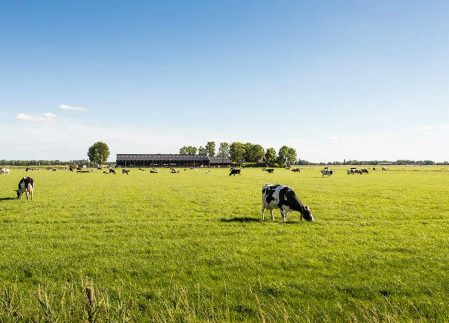
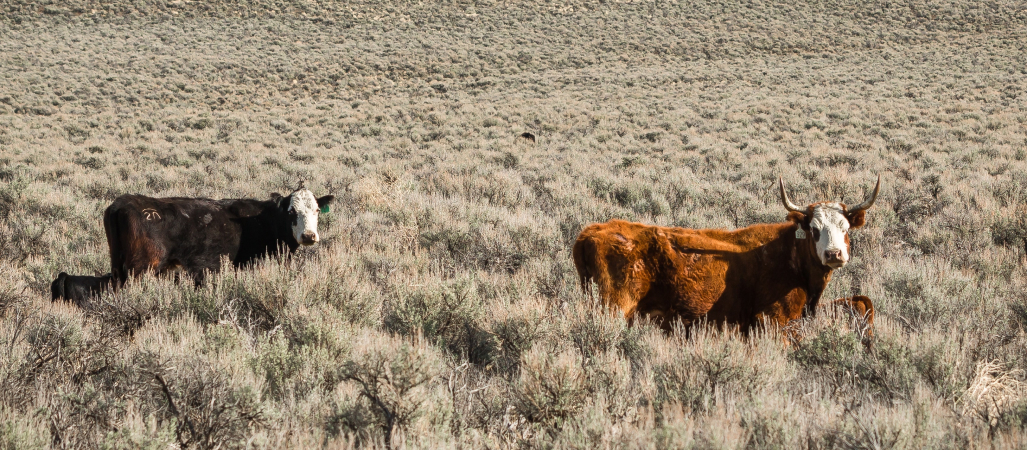
As one example, the energy in plants that livestock consume is most often contained in cellulose, which is indigestible for humans and many other mammals. But cows, sheep and other ruminant animals can break cellulose down and release the solar energy contained in this vast resource. According to the FAO, as much as 70 percent of all agricultural land globally is range land that can only be utilized as grazing land for ruminant livestock.
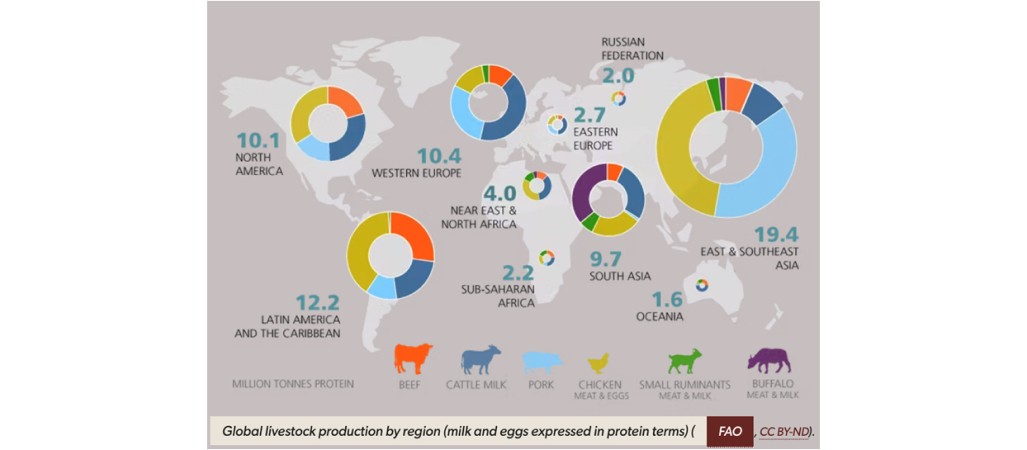
The world population is currently projected to reach 9.8 billion people by 2050. Feeding this many people will raise immense challenges. Meat is more nutrient-dense per serving than vegetarian options, and ruminant animals largely thrive on feed that is not suitable for humans. Raising livestock also offers much-needed income for small-scale farmers in developing nations. Worldwide, livestock provides a livelihood for 1 billion people.