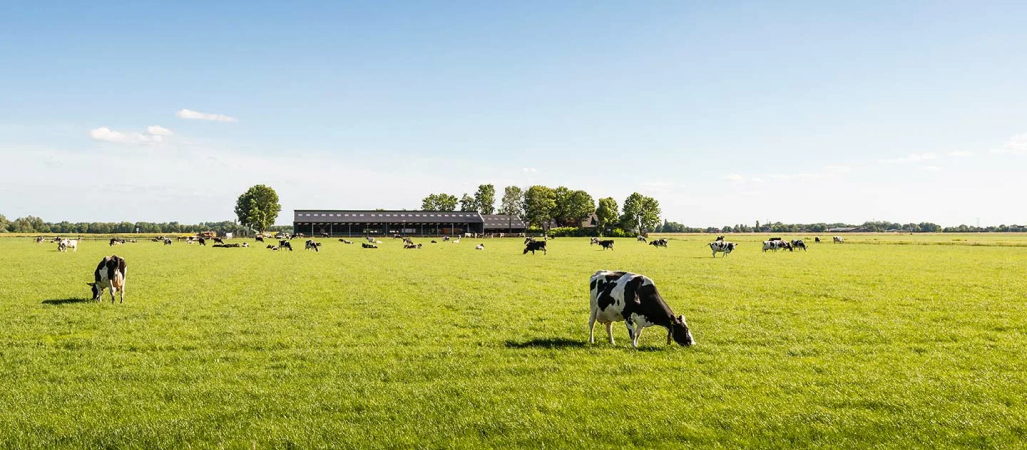
On a global scale, the Earth’s 1.5 billion cattle are found in almost all climatic zones. They have been bred for adaptations to heat, cold, humidity, extreme diet, water scarcity, mountainous terrain, dry environments, and for general hardiness. More than just hamburgers, they autonomously harvest forage on marginal lands to produce 66 million tons of beef, 6.5 billion tons of milk, macro- and micronutrients, fibers, hides, skins, fertilizer and fuel; and are used for transportation, draft power, a source of income, and a form of banking for millions of smallholder farmers in developing countries. Even in developed countries, the products and ecosystem services produced by cattle extend well beyond milk and harvestable boneless meat.
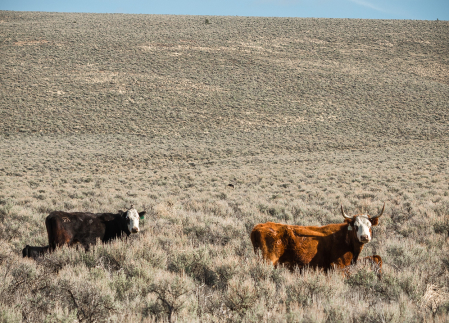
Hypothetically removing ruminants from this non-arable land would mean that 57 percent of the land currently used for livestock production would no longer contribute to global food production. This does not consider the unintended impacts of removing grazing animals, which play an important role in maintaining healthy soil and grassland ecosystems. Rain, so-called ‘green’ water as distinct to ‘blue’ surface and ground water, would still fall on rangelands with no cattle, but it would generate no food. And ironically, it is this green rainfall that constitutes the vast majority of beef’s water footprint. Beef LCA document large amounts of land and water, but do not reflect that rain falling on non-arable land has no alternative food production use.