If cultured meat is to match or exceed the nutritional value of conventional meat products, nutrients found in meat not synthesized by muscle cells must be supplied as supplements in the culture medium. Conventional meat is a high-quality protein, meaning it has a full complement of essential amino acids. It also provides a source of several other desirable nutrients such as vitamins and minerals, and bioactive compounds.
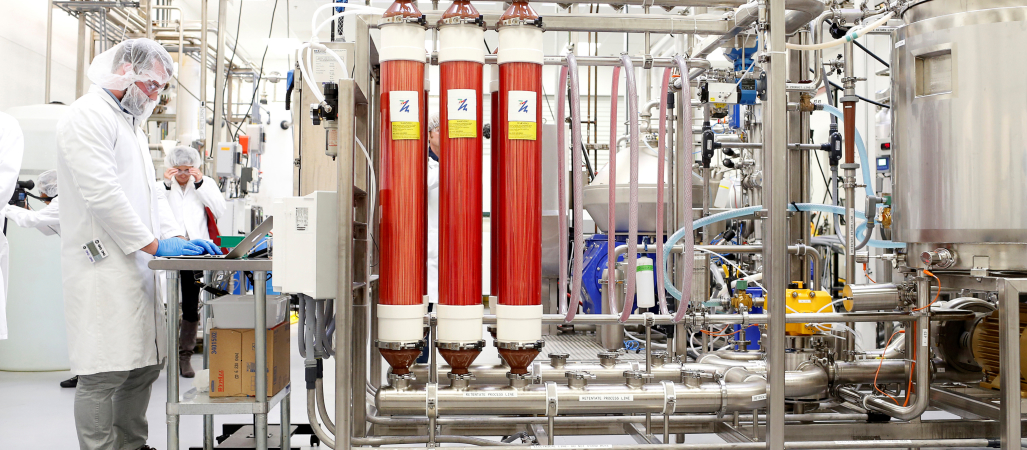
The process for making cultured meat has technically challenging aspects. It includes manufacturing and purifying culture media and supplements in large quantities, expanding animal cells in a bioreactor, processing the resultant tissue into an edible product, removing and disposing of the spent media, and keeping the bioreactor clean. Each are themselves associated with their own set of costs, inputs and energy demands.
Cultured meat, or whatever it ends up being called, may provide an additional source of protein to help meet projected future demands, and it may further appeal to consumers who choose not to consume conventional meat for ethical or other reasons.
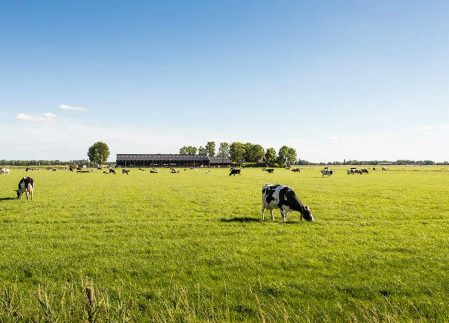
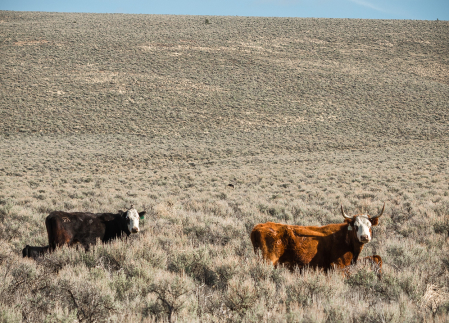
However, framing cultured meat as ‘clean’, thereby unavoidably invoking dirty as the alternative, belittles the important role that ruminants play in global ecosystems and food security. Furthermore, I believe that overplaying the role that dietary choices actually play on GHG emissions in the United States distracts focus from reducing the much larger source of GHG from human activities—the burning of fossil fuels for electricity, heat and transportation.